網頁

顯示包含「茶餐廳」標籤的文章。顯示所有文章

2013年10月6日

王家衛/無力感/離開

One of the most beautiful scenes in "In the mood for love"
In Hong Kong, Wong Kar-wai is a well-known director but his films did not generate a lot of commercial success locally. Shall I say, his artistry simply does not mesh very well with a city that speaks money and efficiency only. And frankly speaking, I have not watched a single movie by him before coming to the States. But as of late, as I desperately seek out for something to resonate with, I found Wong's movies deeply moving - perhaps because i have reached the ripe age to have had a small glimpse on life's irregularities.

Then, it struck me how aptly the films portray the city and its people.

One of the consistent traits of his movies is the powerlessness and passiveness of individuals. To a large extent the characters perceive their lives as beyond what they can control and they do not impose their will with determination. The couple in "In the Mood for Love" who are trapped by self-guilt and consciences that demand them to act within social boundaries; the protagonist in "Days of Being wild" who can't gravitate his life towards anything; In "The Grandmaster" the main female character could not freely pursue the relationship she wanted. The powerlessness is precisely what people in Hong Kong have undergone since the 90s. The Hong Kong-ers did not have any say in the future nor could we affect the bigger political economic environment. I thought this sentiment echoes strangely well with the underlying irony of Hong Kong's prosperity.

Perhaps more subtle than individual powerlessness and passiveness is the repeating idea that people are always  moving to somewhere else. In order to start a new life, the characters move to a new place, leaving everything behind, often without qualm. In "In the mood of Love", the main male character moves to Singapore to escape from the unfulfilling love; In "Days of Being Wild" the two main male characters leave for Philippines with very different purposes but underneath the indifferences they mask themselves, they just want to run off from the unsatisfactory lives in Hong Kong. And in the "Grandmaster", Ip flees to Hong Kong because of the war, leaving his family behind in the mainland. In "Happy Together", the couple was on some journey in Argentina and they go from one place to another, can't seem to find a way back home. As well, people in Hong Kong are always on the move. From the generations of our grandparents who came to Hong Kong to escape communist rule to current Hong Kong-ese whom so eager to secure passports from some Western countries, Hong Kong is perhaps a mere transitory location to many. Why do we move so often? Are we facing problems so difficult and daunting that leaving is the only feasible option? Are we truly so powerless that our fate is beyond our ability to control or influence on?

I wish the movies would say more. But in the end, the character are just simply being. Floating along. In a hopelessly romantic but transient space.

2013年9月15日

苦瓜


共你乾杯再舉箸 突然間相看莞爾 盤中透着那味兒
大概今生有些事 是提早都不可以 明白其妙處
就像你當日痛心她回絕一番美意
怎發現你從情劫亦能學懂開解與寬恕
也像我很糾結的公事 此際回頭看 原來並沒有事
真想不到當初我們也討厭吃苦瓜
今天竟吃得出那睿智愈來愈記掛
開始時捱一些苦 栽種絕處的花
幸得艱辛的引路甜蜜不致太寡
青春的快餐只要求快不理哪一家
哪有玩味的空檔來欣賞細緻淡雅
到大悟大徹將虎嚥的昇華 等消化學沏茶
至共你覺得苦也不太差
下半生竟再開學 入迷的終於醒覺 移走最後的死角
用痛苦烘托歡樂 讓餘甘彰顯險惡 如藝壇傑作
就像我一直聽香夭從未沾濕眼角
仔細地看神壇裡木紋甚麼精巧也不覺
卻在某蕭瑟晚秋深夜 忽爾明瞭了 而黃葉便碎落
真想不到當初我們也討厭吃苦瓜
今天竟吃得出那睿智愈來愈記掛
開始時捱一些苦 栽種絕處的花
幸得艱辛的引路甜蜜不致太寡
青春的快餐只要求快不理哪一家
哪有玩味的空檔來欣賞細緻淡雅
到大悟大徹將虎嚥的昇華 等消化學沏茶
至共你覺得苦也不太差
做人沒有苦澀可以嗎
真想不到當初我們也討厭吃苦瓜

當睇清世間所有定理又何用再怕
珍惜淡定的心境 苦過後更加清
萬般過去亦無味但有領會留下

今天先記得聽過人說這叫半生瓜
那意味着它的美年輕不會洞察嗎
到大悟大徹將一切都昇華 這一秒坐擁晚霞
我共你覺得苦也不太差

2013年8月7日

Bullying


Few weeks back when sensei was in town, he and I briefly talked about bullying in schools in Japan and he stated the main culprit was the demographic and cultural homogeneity in Japan. It then got me wondering why in Hong Kong, the phenomenon was not as widespread despite also being a highly homogenous society. When I was growing up, there was always a fear of not being popular in school and that lunch break would be spent eating alone. So there was definitely a pressure to fit in. But outright bullying was rare. We all seemed to be too busy doing our own things: going to cram school,  learning some musical instruments, practicing some sports, taking extra language class...etc, and did not have time to go out of our way to bully specific classmate. It probably has something to do with the culture: Hong Kong has less emphasis on team success and instead, getting ahead of each other is important. So being different (in a good way) arouses jealousy but jealousy does not translate so much into resentment. It just adds to the competitive pressure in school. There are many reasons that can attribute to the differences in culture and one of them might have been that Hong Kongese are always highly insecure about our own livelihood. With an de-facto non-existent social net and a Darwinian like economy, there is simply not much we can fall back on. And that culture is transmitted into schools. So i guess in that sense,  the culture curbs bullying at school because school's purpose is reduced to simply helping students prepare for exams, but not so much a place for students to socialize.

2013年2月7日

Love test

In discord with its surrounding. Kowloon City, Hong Kong

Last Saturday I hopped on the plane, knowing that I'd miss 3 upcoming midterm exams but was oblivious that a bigger test awaited in Hong Kong.

It shakes me everytime I return to Hong Kong. This time the visit was brief and unplanned for and yet, the shock was much more fundamental than my previous visits. In a span of 4 days, the fear and sadness that a family member might part was displaced by a sort of mental exhaustion. I love my family dearly but it hurts me that we are measured against each other on the depth of our love every second. And it haunts me that love, when pressurized, is distorted and manifested in the form of self-righteous acts. I never for a second doubt our hearts and our love, but why in times like this do we turn into some big brother agents: watching each other as if we are waiting for an opportunity to turn others into the Villian. We worry that we are being outdone, that our love is ingeniune, muddled by wrongs committed and favors received in the past so we go extra miles to prove to ourselves that our sacrifice is for the right cause. And we set high bars for each other, comply to it, and let our vigor sucked off along the way.

All in claims of love.

But if this is truly all for love, why don't we get a bit of satisfaction out of it and instead, be reminded (by ourselves and the surroundings) that we are not doing enough? Alas, I have learned long ago such is the nature of all tests.

----

Few days back I learned that a classmate, a fellow first-year PhD student, is dealing with a much more severe familial situation. His father back in his home country is diagnosed with terminal cancer and has only few months left in life. I don't know how much internal struggles he has to go through everyday but this really speaks quite a lot of his will and determination to complete a PhD here. I have nothing but admiration and respect for him.

2012年9月2日

"Educated"

hunger strike protest against national education
To watch the way the event unfold around "national education" is disheartening. How did Hong Kong come down to this.. these secondary schools students, not even 18 years of age, went on hunger strike as their last resort to put pressure on the government before schools reopen on 9/2. How can the government officials turn away from them and see only Beijing in their eyes? When will Hong Kong come together and stand behind these students?

A propaganda in disguise, the "national education" has a clear political mission. Some said, "every country has its own national education, what is wrong with having one in Hong Kong?" First and foremost, "national education" shall not be mistaken as "civic education". The aim of "civic education" is to educate students to become responsible citizens who appreciate, and work to protect the rights of others. And quite the contrary, "national education" at its core glorifies nationalism, justifies the wrong that the party has committed with logic that seems right on the surface or unrelated facts that has no empirical correlations (the country is too vast, and the people are too diverse for effective democratic governance...etc). Proponents of "national education" also defend "national education"  by claiming that "national education" introduces students to "alternative thinking" - one that deviates from the universal values of the West and fits into the "Chinese reality". And that again, is bull. The "Chinese reality" is the twisted reality where people are denied the right to speak the bare truth, the inconvenient truth against the party. Our children need to be taught how to differentiate the white from the black, not how to make excuse for the black. Proponents would probably say that people like me are brainwashed by the western ideals. I disagree. The values that I believe in, namely democracy, individual freedom and rule of law are all driven by wants and needs of human kind and that is, to love and respect others. These are universal values and I don't see any room for compromise.

I have had many chances to interact with students from the mainland in the past two years and I have always been extremely cautious in the beginning. They were all top students from the mainland, spoke good English and Japanese and were all extremely nice and eager to make friends. But I always found it shocking when our views on Chinese government's handling in different events differ by great length. From disaster responses to apparent man-made mistakes, most of them did not display any anger nor agitation against the government and they were ready to defend with "facts" (China being a developing country... etc). The only time when they seem to be slightly perturbed, and quick in correcting the rest of the class (though in very good manner) was related to territorial issues in China. The story goes like this, a group in our class made a powerpoint presentation with the map of China at the backgroun and on the map, Taiwan was not included. Immediately after the presentation in the Q&A session, a Peking University student pointed that out bluntly and said in an almost accusing fashion to the presenting group, "If you just want to find a symbol of China you could have used the Panda or something - you should not use the incorrect map of China" ... (the topic of the presentation was actually about Chinese foreign aid policy and so the map has nothing to do with the topic of the presentation) And at that point, I thought to myself, "so that is what it is like to be "educated"."

I don't think that patriotism can be taught just like how you cannot teach someone how to love. So please, just leave our children alone.

2012年6月11日

艱難


圖示的是日本經濟產業省的招聘海報,簡單的一句:「這可能是日本最艱難的工作。」我心裡嗔笑﹣他們真不知道甚麼是艱難。

艱難是,掩蓋良心指鹿為馬。
艱難是,明明是不合理,不公義的事,面對它卻要左顧右盼有口難言。
艱難是,說服自己經濟騰飛比人性光輝重要。

相比起這些,要復興日本經濟又有何難?

如果你有這能耐,請加入成為香港的管治班子。

2012年4月29日

很浪漫的一首歌。


Rediscovering Canto-Pop

黃耀明:春光乍洩
你以目光感受 
浪漫寧靜宇宙 總不及兩手 
輕輕滿身漫遊 再見日光之後 
慾望融掉以後 那表情會否 
同樣溫柔 意亂情迷極易流逝
難耐這夜春光浪費
難道你可遮掩著身體 來分享一切
愈是期待愈是美麗
來讓這夜(乍現)春光代替 難道要等青春全枯萎 
至得到一切 (難道要等一千零一世 才互相安慰)
你我在等天亮 或在沉默醞釀 以嘴唇揭開 
講不了的遐想 你我或者一樣 
日夜尋覓對象 卻朝夕妄想 
來日方長

2012年1月19日

夢。串。

桑田佳佑﹣一個經常給予日本人勇氣和希望的歌手。
這幾天親戚朋友聚舊當然談及到日本的生活見聞。說得最多的是日本人的說話方式內容與日文和廣東話的分別。日本人說話婉轉曖昧在留學之前已詳聞,感受最深的卻是他們在談話內用到「夢想」,「勇氣」,「幸福」,「感動」,「守護」等等這些在香港人看來都很「肉麻」,「唔現實」concepts的頻率。如果套上日本女人的耳,從戀人口中最想聽到的情話不是「我愛你」,而是一句更有實感的「我會守護你」。日本父母不會因為仔女係一個”freeter”(即只打散工的年輕人)掙不到錢而感到羞恥,卻會因為仔女沒有理想混混盹盹過日子而踎心。電視訪問裡,日本職人經常會說,「看到客人的笑容我覺得很幸福。」剛到日本時聽到這些用語我覺得怪怪的,怎麼幸福說得這樣容易這樣濫怎麼動輒就跟人動之已情。但我發現我心底裡其實暗暗感動,慢慢的,眼眶比從前容易濕潤。原來日本濃濃的人情味從他們的語言裡已經心領神會。
王迪詩串盡香江的才女
相比起,談到香港人的說話方式,我只想到一個字,「串」。撇除繁多的粗口和粗鄙的俗語(在我所知範圍內,日文裡沒有一些電視或電台出唔到街的字或音),廣東話還是有很多方式令聽者難堪。的而且確廣東話非常生動傳神但當我看到某些報章頭條和網民的留言我都不禁鄒眉。如,日本狗仔隊報道藝人緋聞如一夜情時,他們會用「お泊まり愛」(直譯為停留的愛)香港的傳媒就會用一些接近下流的標題。不過與其說香港人本質粗鄙,我更覺得原因是因為香港社會競爭激烈甚麼都只有贏和輸。生活如是說話也如是,轉數快才串得起才贏得眾人歡迎,沒有絲毫相互憐憫的空間。
王迪詩道,愛你,才串你。 Nah, I don't buy that. Love can be gentle.

2011年9月15日

few words on social protection


Milton Friedman in Hong Kong
" This thriving, bustling, dynamic city, has been made possible by the free market indeed the freest market in the world. The free market enables people to go into any industry that they want; to trade with whomever they want; to buy in the cheapest market around the world; to sell in the dearest around the world. But most important of all, if they fail, they bear the cost. If they succeed, they get the benefit and it's that atmosphere of incentive that has induced them to work, to adjust, to save, to produce a miracle. This miracle hasn't been achieved by government action by someone sitting in one of those tall buildings and telling people what to do. It's been achieved by allowing the market to work. Walk down any street in Hong Kong and you will see the impersonal forces of the market in operation." - Milton Friedman, 1980
I have a classmate who is an adamant follower of Milton Friedman's economic principles. He thinks that aside from national defense and foreign affairs, the government should have no role in providing any social service. Those who want unemployment/retirement insurance should purchase them in the private sectors, and government's interferences was precisely the reason of inflated medical cost. He thinks Hong Kong's economic success attests to his beliefs in laissez-faire capitalism. And to his point, private sector is almost always more economic efficient than the public sector and excessive state intervention compromises economic potential.

While I respect his free-market faith, I don't believe that nil government involvement in social services brings out the best of the economy and the people, especially in an advanced economy. As an economy develops and people become richer, the opportunity cost to innovate or to pursue a "different path" also rises correspondingly. Living in an unforgivingly competitive society, people confront not the question of job choice but a matter of survival. Even those who are better off becoming an entrepreneur or a writer has no proper outlet to develop their potential but to be stuck at their mundane day jobs just to make end meets. Social protection in the form of unemployment insurance or social security therefore can serve as a safety net for people to become the best that they can be . Of course, excessive amount of social protection bounds to have undesirable consequences. Some said that the perennial high unemployment of many southern European countries is attributed to the overly generous protection of their social security system, and I will not argue with that. People are just responding to incentives after all.

Coming back to Hong Kong, its apparent economic achievements have masked the latent issues of growing social divide and the ossified upward social channels for the young. These have been much discussed by the local intellects at the backdrop of a sudden spur of the post-80s demonstrations in the last year. These angry youngsters are despised by "social injustice", namely the overtaking of Hong Kong's economy by a few prominent families and living a life whose sole and unattainable goal is home ownership. These are all ugly manifests of the "free-market" history of Hong Kong, where monopoly law is essentially nonexistent and the long overdue minimum wage law was only introduced in August. Much else is needed to prevent further fractionalization of the city. In order for the government to regain the heart and mind of the Hong Kong resident at a time when freedom is further restricted under the tight monitoring of the mainland and fruits of economic success is unequally shared, I suppose a slow transition to a modern welfare state is inevitable.

2010年8月6日

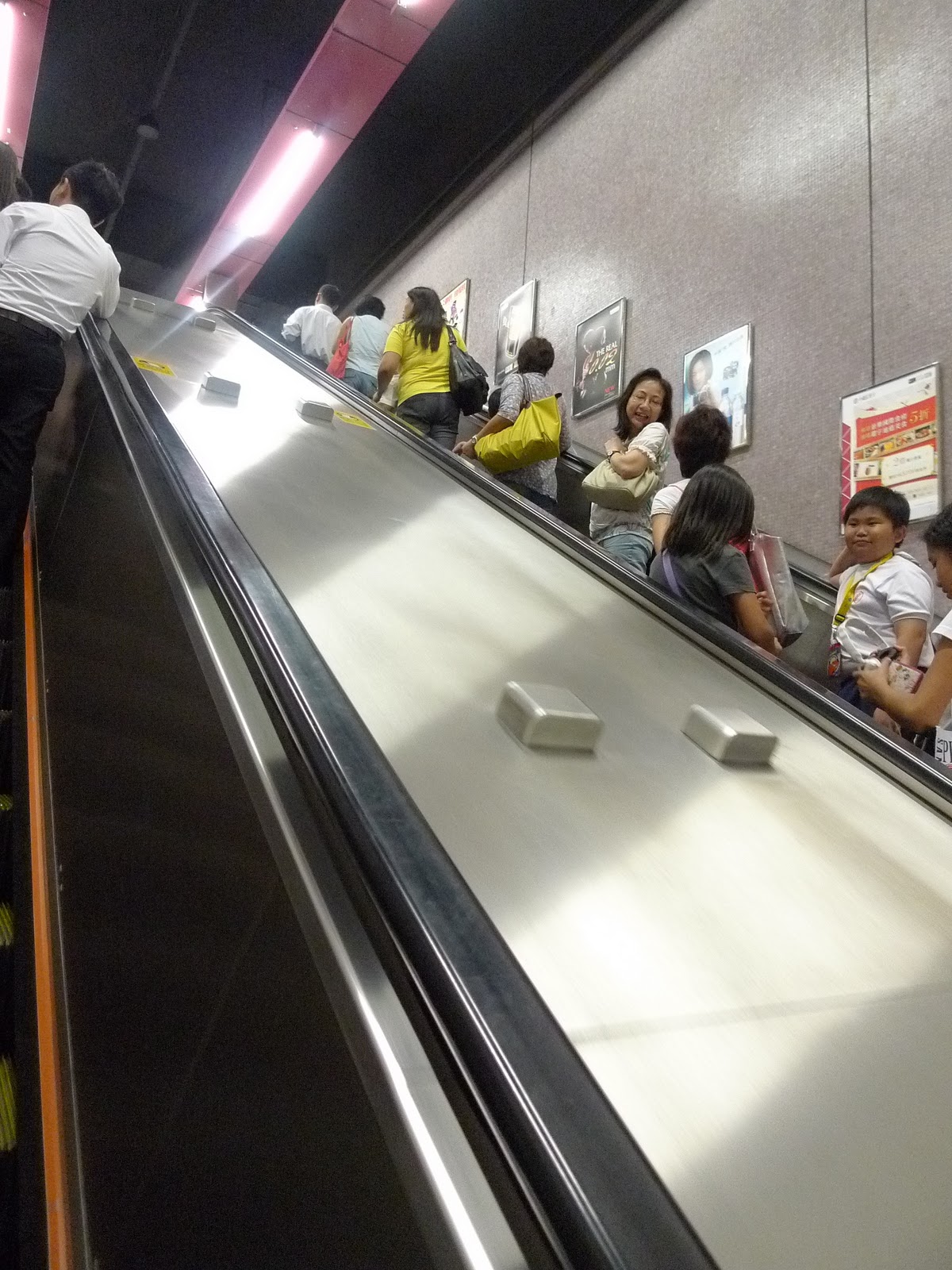
地鐵電梯


地鐵內的手扶電梯真是香港生活的最佳縮影。

香港人效率之高從電梯的速度可見一斑。地鐵電梯的速度之快 相信香港認了第二,沒人敢認第一。每次從電梯踏出,都感到被推前的衝力,最重要的是當一隻腳著陸後,另一隻腳使要趕快準備踏出,否則穿拖鞋的就有夾腳趾之慮。不像在美國,電梯快要終断時我一隻腳踏出後還可以施施然的拖著另一隻走。

2010年7月25日

斑馬線頭


飯局中談到男人頭髮的問題。

我說美國的白人男人,一到中年多數禿頭,不及印度人的體毛濃密。朋友F即時說香港的男人 也不見得好很多,不少親戚的髮線也正向上移。我立時環顧酒樓內的男士,果真發現不少斑馬線頭顱。何謂斑馬線頭呢? 就是額頭以上寸草不生,但將茂密兩側的其中一面勉強梳向另一面的髮型。可是因為不毛之地通常的幅員較遼闊,所以髮絲不能充份覆蓋而造成黑白橫隔的奇怪光景。我想,與其左撥右撥的勉強蓋掩,不如剃光乾脆露出禿頂來得坦蕩。曖曖昧昧的掩飾反而更令肉色之處顯得更突厥不自然。

斑馬線頭讓我聯想到近期人氣甚高的口靚模。衛道之士都群起攻擊,說口靚模寫真「品位低俗」,「教壞細路」,口靚模就反駁說她們的相片是「健康性感」,沒有賣弄色情的意思。誇張的甚至說寫真富「藝術性」,為了藝術沒有底線云云。這分明是禿頭的硬要說自己不是禿,只是頭髮比較稀疏已而。要嗎就不要拍寫真,拍了就應該坦白點,大聲說「我就係要sell誘惑」。一個願買一個願怕,本來就是公平不過的交易。口靚模硬要說自己的寫真是藝術寫真就愈顯得此地無銀三百兩,公眾就更加不屑。其實周秀娜能夠從云云口靚模跑出不是因為她最漂亮,最性感,令大家受落的是她的敢作敢為,敢做敢認的坦然。

口靚模引起廣泛討論不是因為她們敗壞了社會風氣,(香港的文化風俗本來就不怎高尚嘛,茶餘飯後談論的不外乎明星股票之類),而是她們游走於文化間的灰色地帶,不容易被歸類。口靚模不像AV女優,沒有硬橋硬馬的宣揚色情,她們也不是正統的歌手/藝人,只能賣身沒有藝可賣。口靚模在這兩者之間能夠生存,正正因為她們滿足了那些明明鍾意𥄫女但又要辦正經的香港人。

所以香港的文化本身就是一個不折不招的斑馬線頭。當上至特首被問及六四應否平反時支吾以對,下至藝人被問是否和某某在拍拖時說大家是「好朋友」,真的不禁要相信要在香港出人頭地就一定要搞點曖昧才行。


Share

2010年7月20日

黨不住的80後


早兩天看畢本地劇團“愛傷處”的處女話劇“黨不住的80後”,整體感覺是有點不倫不類。

首先,好端端的一個美國劇本,被冠上”80後“這個本土味甚強的劇目名,沒看處本介紹的還以為是一個本地原創劇(但無可否認我是因為“80後”這個catch phase而進場)。二,劇中加插了“god damn it", “oh my god"等等的美式俚語,和劇內的廣東話粗口與笑料顯得格格不入,效果好似叫余文樂扮陳冠希講英文咁,作壯不討好。三,撇開形式上的處理,內容表達雖然忠於原著,但因為題材渉及大麻與槍械,一般香港人難以代入角色。後現代青少年的迷惘這個主題是世界性的,但在香港這個擠迫細小的城市,要尋找“freedom creek”這個能夠脫離社會大氣以至金錢的綁縛,有自由去塑造理想共同體的烏托邦,是要我們的想像力伸展至不現實的地方。在香港,我們極其量只能有如“六樓後座”的被動空間﹣一個被壓迫下勉強喘延的地方。但是在其他先進地區國家,青少年如果融入不了主流社會,也有到郊外經營咖啡鋪甚至是務農的可能。所以說,在香港生活本身就是一個困局。而劇的最後結局,雖然我個人很喜歡,甚有日本色彩的頹廢感。那是無助感的無限膨脹, 有別於一般tvb式的大團圓結局。

香港的80後有其獨特的地方,但“黨不住的80後”的主題材卻因未能聚焦於香港80後的特性,所以說起故事來不夠一針見血。但作為本地初生劇團第一個嘗試,已算是不錯吧。

2010年7月12日

Reverse culture shock


Having been in and out of Hong Kong number of times now, I did not expect to experience any kind of reverse culture shock this time around. But as it turns out, there is still a number of things that i find slightly surprising:

1. Hong Kong is unbelievably clean, even in the public bathrooms. The cleanliness of Hong Kong's bathrooms has exceeded my expectation, in fact so clean that I wanted to take a picture out of it but waived off the thought in the end. And aside from bathrooms, streets are generally well-maintained and rarely would you see an overfilled trash can or unclaimed rubbish bags lying on the street. Maybe we are trying to lead by example to our fellow mainland comrades and compete head to head against Singapore, but whatever the driving force is, I appreciate this rise in hygiene standard - and would even more so if they start to provide seat covers also in bathrooms.

2010年6月18日

當奴的無奈:教我如何說服您


既然擺得擂台,我相信當奴是真心相信他的方案已經增加了民主成份,在中央早已決定2012選舉功能組別與直選議席的比例必須相同這個大前題下, 這是他能力範圍內爭取到最大的進步,可以同廣大市民交待。但,看著他乏善足陳的語調,不停將停滯不前的民主發展責任推向否決05方案的泛民身上,繼而再半恐嚇市民唔上呢班車就永遠去不了普選這個有如海市蜃樓的終點,我實在連同情分也打不到給他。說真的,我寧願當奴坦白一點,清楚道出有無或幾時有普選根本不由香港人話事,中央一句OK,甚麼循序漸進的民主基本法依據都是廢話,明天我們便可以高高興興的去投票選特首。

在互相質詢的環節,特首問余議員如何爭取40票去取消功能組別,反被譏諷「你唔識做問我點做」,便讓我們清楚看到當奴的無奈。就算,and that's a big if, 當奴真的有心廢除功能組別這個選舉模式,在現存30個功能組別議席(雖然也有泛民的功能組別議員)制度下,要功能組別自動放棄特權談可容易。上有中央,下有民建聯以及社會既得利益者,政府在這種綑綁式監察下運作根本不能有甚麼作為。反觀余議員站在道德高地,質問功能組別的存廢時擲地有聲,動之以情說之以理,特首根本沒有招架之力。雖然觀眾問到否決了方案後民主發展何去何從時有點噤聲,但overall, 余議員的表現可以用屈機來形容。

我想,一個曾在哈佛接受教育的人應該可以理解余議員有關普選定義的提問都是合情合理,偏偏在這個框子內,特首只能用帶灰色地帶的字眼朦混過關, 與喬曉陽的官腔一脈相承. 在廢武功之下,that is the best he can do.

特首,真的很難做。

2010年5月15日

醜陋的香港人


得知補選的投票率是尷尬的17.1﹪時,失望,憤怒交雜。原來香港人真的對民主沒有甚麼渴求。要求的只是盡快落實真普選,踢除功能組別這個與民主精神背道而馳的崎形制度。一個卑微不已的要求﹣ 卻得到不夠兩成人的認同。

公投之前,看見周遭很多的朋友都在facebook呼籲去投票, 而在網上亦有很多人發表文章支持這次公投,深受感動,本來想寫一篇題為「美麗的香港人」的文章, 天真的以為普羅大眾都會站在雞蛋這一邊,用自己力量微小的一票撞向石牆。然而,現實都非盡如此。「搞咁多野不如去飲茶」先至係主流聲音。香港人,係咪淨係識得搵錢?

民主, 其實真的不能解決所有問題。它不能保證香港經濟繁榮,也不能保證每個人都安居樂業。但至少,它給予我們解決問題的機會, 讓我們正視存在於社會上的不公平。香港法制健全,市民普遍的教育程度很高,民主的種子其實早已在這小城上散播。香港人卻沒有好好珍惜這些來得不易的自由民主 ﹣ 我們今天的冷漠將成為明天的悔恨。


Share

2010年3月21日

一個鐘廿鈫


某飲食界議員提議最低工資應設在20元下, 換句話說, 每天工作十小時, 每星期工作六天, 月薪是4800元. 如果"不幸地"每星期只能開工5天的話, 月薪大概是4000元. 以平均一個上有老下有小的五口子家庭來說, 扣除租金伙食交通等開支後,想一家大細假期出外吃麥當勞也有困難, 更枉論說有多餘錢作儲蓄. 假設其中一人失業或生病的話, 家中手停口停, 突發開支往往要從親戚裡頭借, 生活根本沒有保障可言. 再說, 當法定外傭最低工資為3580元而且包食住時, 這項建議無疑對本地低收入人士是slap in the face.

查一查Wiki, 得知這位張議員為了業界權益可謂聲嘶力竭有持無恐, 曾批評李卓人議員不斷提出增加勞工權益,是貪得無厭, 擔心香港會邁向福利社會. 這位議員所說的福利社會大概是指西歐國家奉行的福利制度. 在高稅制下, 一般西歐國家的人民都不用擔心退休後的醫療與福利開支, 在職人士一般工時都比其他國家短而且生活也比較愜意. 當久而久之一切都變得理所當然的時候, 經濟稍有甚麼差遲, 這些assumed liabilities都會變成對政府的巨大付擔, 出現如希臘般的財政危機, 而改變往往會遇到強烈阻撓. 但於香港來說, 這種擔心未免是杞人憂天了吧? 首先, 香港沒有如歐美的social security 制度, 一般打工仔都是靠自己的積蓄和兒女供養去養老, 香港極其量只有生果金這種象徵式的敬老資助. 長者們如沒有儲蓄而仔女又唔生性的話可以想像到會落得晚境淒涼的情況. 而據張議員說, 若然市民掙不到基本生活,應由福利政策支援,不應由僱主補貼。由這思路出發, 公帑當然是從納稅人那裡來, 但若果增加利得稅去滿足市民的基本生活要求, 這又不利營商環境, 不知張議員如何衡量?

當普遍食肆的工資時薪都設在20元以上時, 這個建議根本是敷衍社會對縮減貧富懸殊的關注和共識. 資方普遍反對設立最低工資的理由是最低工資會使失業率增高, 令到很多小企業倒閉. 的而且確, 設立最低工資會令成本增加, 但可以想像到資方為了保持profit margin會將増加了的成本轉嫁至消費者身上. 於食肆來說, 可能每道菜加兩三元, 已經可以回本. 溫總理也提到要香港解決深層矛盾, 定立可以使工人有尊嚴地生活的工資是令香港健康發展的重要一步.

2010年2月21日

Why affordable housing is the key to Hong Kong's development


Since the generation of our grandparents or even before that purchasing a home has become the goal and dream of most Hong Kong citizens. Shelter as a basic necessity has evolved monstrously into an unattainable dream, and of those who can afford a down payment, many end up paying a large part of their monthly salary to mortgages for 20 some years. Thanks to the high land price policy, an artifact and a reminiscence of the colonial era, land price is arbitrarily set at an astronomical level because land is the only resource in the densely populated Hong Kong and premium of land sales provides an important revenue to the Hong Kong government. For an estimate of one plus million home owners in Hong Kong, the inflated properties' price has boosted their net worth and many have made a fortune themselves through real estate trading.

However, the surge of properties price has systematically divided the population into the haves and the have-nots. As the poor in Hong Kong struggles with end meets without a minimum wage protection, the rich continues to fly above the rest through real estate trading and the belief that the price is not going to fall. The notorious cage living is an example of the deprivation that exists in one of the most modern cities in the world. About 100,000 poverty-stricken residents live one by one in a cage made of wooden planks and wire mesh of about 3.7m2, an area large enough for only a mattress and a few possessions. The common belief, and also one of the core values in Hong Kong, that one can become rich if enough effort is devoted has shattered completely. One can work very hard at the bottom of the paradigm and still fail to move up the rug of the social ladder. The value of a property as an investment has overshadowed its function as a home, and that's just one of the many dysfunctions in Hong Kong and one that arguably has the biggest impact on the stability of the society.

2010年2月15日

香港人的自卑: 對英語的執著

近年,香港的父母以至學生都對國際學校趨之若鶩.很多高官明星都將子女送到國際學校就讀,一年學費動輒數十萬,出入更有工人名車接送. 高級有品味的生活便在報紙娛樂版的薰陶下和國際學校接了軌.更重要的是市民大眾似乎都認為國際學校是美好將來的入埸劵. 就算子女不能以優秀的成績畢業然後升讀大學, 只要說得一口流利的美式英語(英式應該更佳),前途便有最低限度的保障. 的確,一個人的素質往往由一個人的語言表現出來.但在香港這個表面化的社會,你的靈魂甚至會因為一口流利的英語而變得高尚起來.相反,要是你位居要津,說起英文時舌頭卻像打了結的話,除了在人前出洋相外,還會在線上被人不留情面的諧落. (看看陳克勤的例子便知了). 上星期明報的一個專欄上,某位作者便說香港的核心價值便是崇洋. "每當我在商場看到一些貌狀中產的港男港女,即使二人均是道道地地的香港人,也在日常生活以港式口音跟孩子以全英語對答,就知道那種深層心理的自信缺失和發展缺陷是什麼。" 他這樣說.

讀後不由得問,香港人的自信往哪裡跑了?

自信是來至自身價值的肯定.這問題的前題是香港人本來是自信滿滿的,但不知就裡下我們突然變得很不安,很自卑. 我相信這和中國大陸的改革開放經濟漸趨伙繁榮有關. 我們的優越感隨著一部份內地人富裕起來而漸漸消失.忽然間我們發現內地人比香港人更聰明更積極更勤快,香港的年青人更是好逸惡勞,除了追逐明星明牌外便一無是處.我們的優勢只剩下對國際社會的熟悉而會.說.英.語就是在這個香港生存的必要條件. 無容至疑,英語是重要的.但對英語的執著我們似乎到了走火入魔的地步 - 我們會因醉酒而掌摑警員的女士說的是英語而不敢啍半句,嘲笑土生土長的議員說歪了英文生字.

要解除這個英語的緊箍,香港必須根本的保護及發展本土文化.在紐約居住其間,便深深體會到紐約市民對紐約特有的文化而自豪. 不喜歡紐約的人可以一下子數上不下十個關於紐約的缺點,但紐約人是自信的. 對於其他城市的競爭她都處之泰然,反之香港對於上海的急速發展便戰戰兢兢, 一聽到上海要興建另一個廸士尼便急急宣佈要擴建我們那天資不足的樂園. 其實,只要我們能加以發展香港這個特別個體的身份,欣賞"香港製造"的藝術,音樂,小說...等等, 屬於香港的文化會為我們引領一條新的出路.而這個優勢不是能隨便給取代的.


Share

2010年1月24日

全民起義之我見

公社兩黨近日為了宣傳五區總辭,用"全民起義"作為口號,希望衝擊由回歸以來沒甚進展的民主運動.但因為"起義"這字眼帶有推翻政權的意味,觸動了北京神經,建制派群起圍攻要杯葛補選.輿論也大肆宣揚北京不滿,批評公社兩黨這行動是挑戰一國兩制的底線云云.亦有評論員在政改論壇上說"起義"一詞是近乎恐嚇,林瑞麟局長更乘勢呼籲辭職五子應臨崖勒馬. 本來流於中間的溫和派也對五區公投突然反感,認為總辭是過激了的泛民人士也大大增加. 一時間公社兩黨四面楚歌,但既然已被捲入洪流,只可順勢去之.

在我看來,市民害怕的不是"起義"二字而是"北京不滿";恐嚇市民的不是公社兩黨,而是廣傳親中人士意見的輿論.因為害怕北京不滿而急急表態,與五區總辭劃清界線; 因為害怕失去既得利益,所以沒辦法坦然面對良心,匆匆棄權.這其實都是人知常情. 我們都想魚與熊掌兼得, 既有民主,又可享有在中央政策之下帶來的經濟成果.但是當要二選一,既得利益者因為要維護本身利益,當然是要就手的錢. 因為誰也不能保證更民主的社會會帶來更巨大的經濟效益 (雖然這是西方推銷民主時的說法)而普羅大眾呢,就因為安於生活裡的慣性,縱然是感到有一點不妥,如非"迫到埋身"往往對改變持懷疑的態度.

這次補選的真正意義是以議員的職位作賭注,希望市民向政府表達取消功能組別,在2017/20時達成真正的雙普選的意願.不要被"起義"或"北京不滿"兩字蒙敝了視線,因為這根本不是一個對抗,只是一個較有創意的表達民意的渠道而已.結果亦沒有法律效力,如果要消耗精神猜量是次選舉的認受性, 何不簡單地將自己的意見放進投票箱內?


Share

2010年1月15日

邊緣化

在建制派的全力護航下,高鐵撥款正式通過,結果不令人意外.這次的財委會議突顯亦深化了香港內既得利益者與被剥削的弱勢社群之間的矛盾. 80後真正要反的不是高鐵,而是長久以來重商輕民的發展觀念.

在這埸爭議中,政府其中一個撐高鐵的理由是如果高鐵不起,香港便會被"邊緣化" - 難道香港就這麼害怕被拼出去嗎? 地理上香港從來都在邊緣. 在中國未改革開放前香港一直是中國對外看的窗戶,亦是西方打開中國市場的踏腳石.在這裡不同的理念主意都可以自由流通,沒有自我審查,中西文化渾然一體卻又彰顯出胡主席所重之社會和諧.我們背靠祖國,面向國際,一直以來都是站於邊緣,無論是經濟或政治上這亦是香港唯一的定位.我城不能亦不可只成為中國境內的其中一個城市. 無可否認香港現在的經濟依附於中央的政策之下,但臣服不是唯一的出路,我們這樣只會愈退愈後.當權者,請拿出帶領香港走出困局的氣魄吧

從80後的反高鐵示威者中我看到了80後對香港長遠發展的願景,確確實實的感受到這一代對我城的氶擔. 高鐵只是一個楔子, 相信社運陸續有來.在這以前,站在道德高地批判政府的80後也應想想實質的措施扶助真正不幸運的人,從小步開始,讓我城變得更人性化.

Share