網頁

顯示包含「精神食糧」標籤的文章。顯示所有文章

2019年11月26日

民主不是少數服從多數

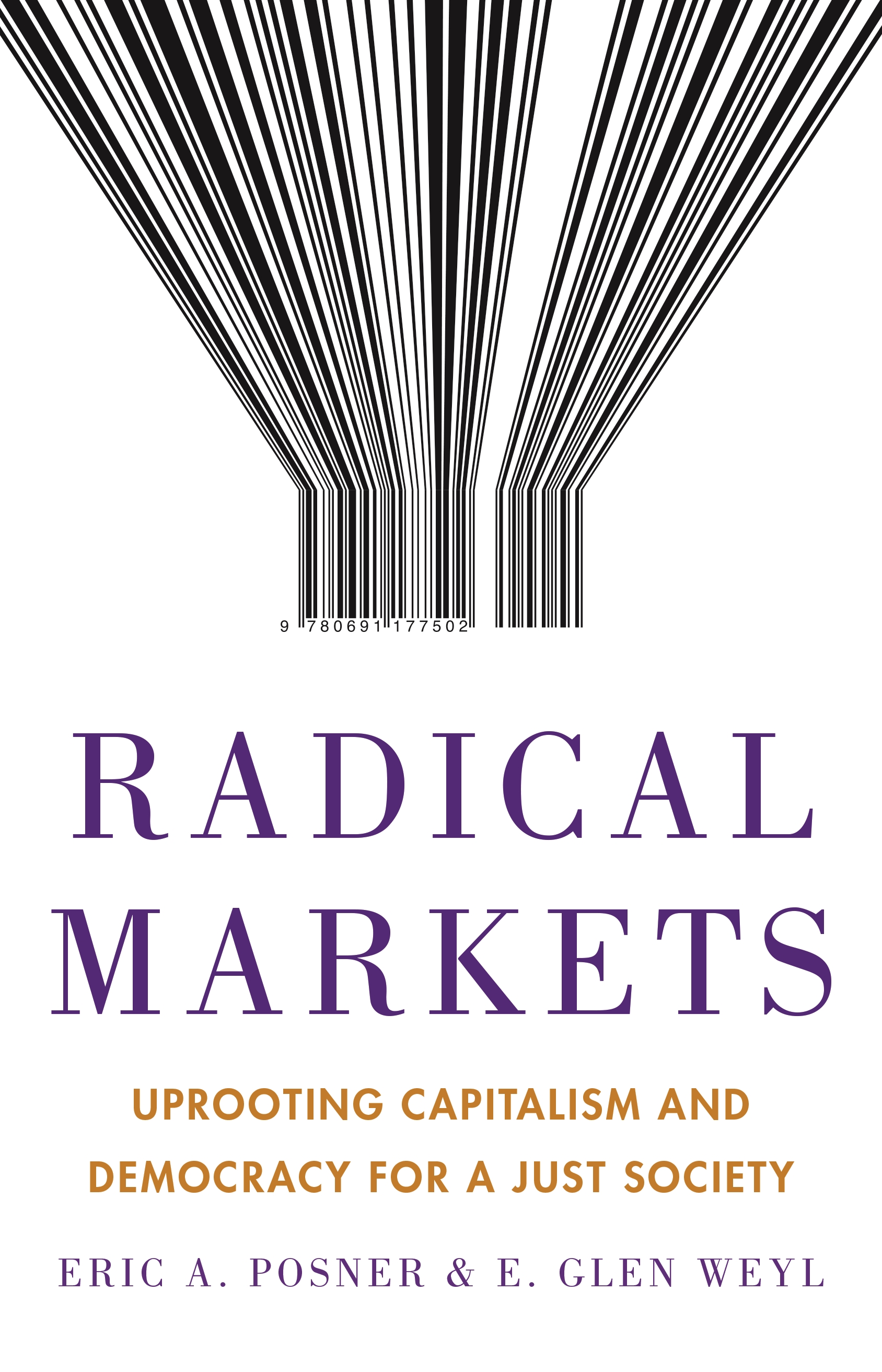
Image result for radical markets


區選民主派大勝,感動之餘亦在反思究竟我們所追求的真。民主是甚麼 - 選舉從來都只是民主制度裡的其中一環,它不能確保公義能夠彰顯,只能夠將最受歡迎的政客和政黨推上權力位置-正如1932年的德國納粹也是勝出選舉後奪取了政權一樣。民主其實應該不是少數服從多數,如果這是民主的真粹的話,很多在社會上的小眾的權利也不能被充份保護。這些權利 - 例如說LGBT 的平等婚姻權利 - 可能社會上大多數的人根本亳不關心,但卻大大的影響著這些小眾的生活。

係Posner同Weyl本書Radical Markets裡題到這就是美國立國時面對的問題。因為選舉可以將權力予於如Hitler般極端但有魅力的政客 ,少數族羣的權利可以容易地被消滅。而每一個人也有成為Minority的時候,當Minority的權利受到衝擊時他們便會反抗政權成為社會不安定的因數。 所以在立國之初 政府內設置了很多權力互相制衡的措施已防止多數制被濫用。三權制衡就是其中的一環。其他的制衡措施包括需要國會兩院SuperMajority去收改憲法。

但隨著社會進步,當時未被法律保護的弱勢社群也因為這些check and balance的關係,令到很多法案都不能容易通過保守的國會。所以在美國的平權運動裡,法院和法官其實起了重要的角色。但很多時候這都太過依賴於法官的同理心所以到現在為止我覺得美國的制度其實還是一個Work-in-progress, 但我認為民主裡其實最起瑪的原素-尊重少數人的權利-在這制度裡還是得到應同的。

2013年7月1日

Exit, Voice and Loyalty: A Reflection


One of the questions that I have been thinking a lot is why hasn't a revolution broke out in China yet. Why do people choose to suffer in silence instead of voicing out the unjust? Why do so many people defend and embrace a deteriorating leadership with zest despite all the wrongdoings that it has committed? And after a few words with Prof Sobel on the topic, he suggested me to read "Exit, Voice and Loyalty" to acquire an intellectual framework in thinking about these issues. It is a little book of mere 126 pages but has in it burst of insightful and interesting ideas that intersect economics with politics.  Some of the ideas seem counter-intuitive to economists but are nevertheless extremely relevant in understanding today's political economy.

Exit and Voice are the two main approaches that customers-members of organization can adopt in response to lapse in quality of the service/products that the organizations produce. In the traditional competitive market model the exit of the customers is hailed as the "Invisible Hand" at work, that is, market responses inflict pressure on management to improve quality of the products so only the best firms survive. In this sense the more elastic demand is the better it is for the functioning of the economic system. The exit option, however, is not usually available in political systems, leaving voice the only feedback mechanism. Moreover in totalitarian states neither voice nor exit is possible, which opens up scope for the discussion on loyalty.

One of the interesting observations that comes out from this discussion is the relation between a stable democracy and the political activism of the people governed. It is usually assumed that the proper functioning of a democracy requires an active and alert population but empirical studies on voting patterns have demonstrated considerable apathy of the public. But since democracy has fared well in apathy, it suggests that the relationship is more intrigued - to the extent that apathy is present, the leadership has time to respond to demand for better governing from the more vocal group in the population. Putting it in economics terminology, if the demand for better governing is completely elastic, a slight drop in services provided will translate to a total withdrawal of the support for the government,  render any recuperation attempt by the government useless.

Another insight that is a clear blow to economic thinking is that sometimes monopoly serves the public better than when competition is present. How is that so? When the presence of competing firms creates the illusion that a better product is available, consumers will try to seek a non-existent alternative in the market instead of effectively using either Voice or Exit whereas under monopoly, consumers can focus their energy in improving existing circumstances. The main idea is that collusive behavior among competitors may result in wasteful resources and this is not far from describing competitive political system. In this context existence of competition creates an excuse for leadership to bring forth more fundamental changes that would have been desired in the absence of competitions.

So the foregoing paragraphs are more like summaries instead of a reflection and there are much more interesting notes that I have made to myself while reading the book, but I will skip the those here and instead incorporate questions that I have in the discussions follow.

First comment. The study of organizational stability comes in two dimension: Vertical hierarchy and horizontal linkage. The leader and the member are nodes in a gigantic network, each made up of cluster of agents interacting with each other. So if the quality of service deteriorates, members of a highly integrated network would find it more difficult to use Exit instead of Voice. This can be used to the advantage of the leadership as the cost of exit is now much higher to its members.

Secondly, even in the absence of any feedback mechanism, if upward mobility is fluid in the network, the prospect of improvement in one's relative social standing will dampen the frustrations of its members. In the book, the author argues that strong upward mobility strengthens the voice options because "everyone has a strong motivation to defend the quality of his life at his station". This inference assumes that the deterioration of services affects everyone uniformly and has neglected how one will try to improve his situation in the status quo before even considering using either Voice or Exit. So if the channels of upward mobility becomes rigid and deprives members of the bottom class access to a better life, Voice or Exit now become much more attractive compared to before.

Third comment on self-deception. I find the discussion on unconscious loyalty and self-deception particularly illuminating. In more abstract terms, the member's sense of self is internalized in the system. The more the members invest to acquire a stake in the system, the more the system sucks out his/her consciousness. When there are enough number of people invest greatly into the system, for example, when corruption is prevalent, the system now takes on a life of its own.

2011年8月6日

明日晴れるかな


作詞&作曲:桑田佳祐


熱い涙や恋の叫びも
輝ける日はどこへ消えたの?
明日(あす)もあてなき道を彷徨うなら
これ以上もとには戻れない

耳を澄ませば心の声は
僕に何を語り掛けるだろう?
今は汚れた街の片隅にいて
あの頃の空を想うたびに

神より賜えし孤独やトラブル
泣きたい時は泣きなよ
これが運命(さだめ)でしょうか?
あきらめようか?
季節は巡る魔法のように

Oh,Baby. No,maybe.
「愛」失くして「情」も無い?
嘆くようなフリ
世の中のせいににするだけ

Oh,baby. You're maybe.
「哀」失くして「楽」は無い
幸せのFeeling
抱きしめて One more time.

或りし日の己れを愛するために
思い出は美しくあるのさ
遠い過去よりまだ見ぬ人生は
夢ひとつ叶えるためにある

奇跡のドアを開けるのは誰?
微笑みよ もう一度だけ
君は気づくでしょうか?
その鍵はもう
君の手のひらの上に


Why,baby? Oh,tell me.
「愛」失くして「憎」も無い?
見て見ないようなフリ
その身を守るため?

Oh,baby. You're maybe.
もう少しの勝負じゃない!
くじけそうな Feeling
乗り越えて One more chance.

I take to myself

Oh, baby. No,maybe.
「愛」失くして「憎」も無い?
嘆くようなフリ
残るのは後悔だけ!

Oh, baby. Smile baby.
その生命(いのち)は永遠(とわ)じゃない
誰もがひとりひとり胸の中で
そっと囁いているよ

「明日(あした)晴れるかな・・・」

遥か空の下

2011年8月5日

心を暖かめる歌


感動を、ありがとう

日本の田舎にいきたい。

明日へのマーチ 

桑田佳祐


遥かなる青い空 何処までも続く道
希望胸に歩いてた あの夏の頃

想えば恋しいや 忘れ難き故郷
願うは遠くで 生きる人の幸せ
風吹く杜 君住む町

いい事もつらい事も それなりに合ったけど
野も山も越えていこう 明日へのフレーフレー!

夕暮れにかすむ空 見上げれば十五夜月
黄昏に色付くは宵待ちの花

夢にも寄り添う 愛しい人の面影
もう一度逢えたら 在るがままの姿で
涙の川 溢る思い

子供らが笑う時 新しい朝が来る
希望胸に歩き出す 足音よフレーフレー!

想えば恋しいや 忘れ難き故郷
芽生えよ かの地に 命の灯を絶やさず
輝く海 美しい街 oh~~~

2011年3月24日

在経済産業省的兩個月

経済産業省的外觀


上星期天在明報刊登的「安裕周記﹕通產省的破沙發」好像給自己在経済産業省的兩個月加上新的注譯,大有茅塞頓開的感覺之餘,很慚愧沒有寫一篇像樣的短文去反思自己在日本這半年來理應是很難得但自覺平平無奇工作經驗,現在補上為將來作留底之用。

在経済産業省的研究所兼職了兩個月,談下上有甚麼貢獻更不能說對日本的官僚文化與制度產生深刻的認識,但從微小處可見大義,略談以下幾點:


1. Relationship matters.我這個不喑日文沒有人脈的外國留學生,如果沒有産業省內的人推薦根本沒有可能在這機構工作。十分幸運的是上個學期拿的兩課是由一位曾經在産業省內擔任甚高職位的教授主講,而我因為比較率性無禮在課內說話很多而被認識。其後在自己屢尋實習機會不果後,我便決定嘗試聯絡這位教授幫忙,不料在一星期內他便替我在産業省內搭好橋,為我找了一份替某位由中國來的學者當助理的兼職。

相較在美國找工作找實習競爭的激烈,這個實習機會可謂來得有點太容易。日本人注重的
大概不是亮麗的履歷表或公式的面試過程,而是人與人之間的信任。「做生不如做熟」,産業省內的員工因為教授的經驗而相信他的推薦,而教授亦因為我在班中的表現而相信我的工作能力,所以我才會這麼容易獲得這個機會。這種互信關係減少了工作間可能出現的磨擦,亦是日本人團隊精神的另一種展現。壞處當然是有的﹣過份信任除了令制度失去自我改善的積極性外亦令制度變得不透明,使外人無所適從。

2.Everyone matters.日本人的團隊精神人所共知,我覺得這團隊精神的前題是每個個體都感到被重視和意識到自身對整個組織的重要性。每天的午休前産業省的廣播都會忠告職員離開座位時將電氣盡量關掉,減少對地球暖化的影響。我想,這不僅是這個國家對世界的承擔,這個政府部門對國家承諾承擔,也是每個産業省職員對自身行動及對週遭環境影響的自覺。如果沒有感到被視為團體內重要的一份子, 他們不會將這廣播當一回事,不會將垃圾好好分類,不會不在車箱內用手提電話通話這些外國人看來高度自律的秩序。當然,這種自覺亦可以被譯成一種巨大的無形壓力,稍稍離軌便為社會所不容,致日本成為其中一個自殺率最高的國家。

3.Gender matters. 放眼研究所內,絕大部女性職員擔當的都是屬支援類別的工作,只有少數女性擔任研究員的職位。辦公室內只有女職員會將垃圾籃內的垃圾移至中央垃圾,「外遣」員工(即非正式社員)也是以女性居多。雖然至今不少日本女性都安份於男性主導的社會文化,但據我校經濟部門的伊藤教授的某專欄說,現在有很多(而且有增加趨勢)日本年輕男性屬「草食係」,即沒有競爭上進心,對工作戀愛都不感興趣,不願出國去闖,反之日本的年輕女性對外間的世界更好奇更想到外國進修或工作。這不會是短期內可達致的改變,但對日本老化和減少中的人口,更外的工作女性將可舒緩沒有足夠工人的壓力,長遠來說是一件好事。

如安裕所說,経済産業省是一所其貌不揚火柴盒般的建築物,在這裡的兩個月我得到的不是一些硬知識,而是一些不能隨手拈來需要反覆思量從經驗去提煉的軟知識。

2010年9月15日

由A至M


正確的譯名應為「中下階層的衝擊」但大前先生所作的解構名詞「M型社會」貼切的形容了當前日本中產階級逐漸消失的形勢,因而成為台灣的流行用語。「M型社會」在Wiki的解義為:

“描述日本社會由原來以中產階級為社會主流,轉變為富裕與貧窮兩個極端。”

不像香港,七八十年代的日本沒有很多錢多得令人乍舌的富豪,亦沒有太多在貧窮線下掙扎的草根階層。因為收入差別不大,日本便曾號稱“一億中流”,意即有超過一億二千萬人口的日本,有一億人自覺屬於中產階級。這是典型胖矮的A型社會,階級流動暢通。但隨著地產泡沫於90年代初爆裂後,日本即陷入長期的經濟不景氣及通縮,至今仍未恢復過來。伴隨這情況的是上班族的人工凍結或下調,「只要一直服務公司,就會慢慢升職加薪」這個大前題無可避免的崩塌。

印象中的日本的經濟雖然經歷了近20年的停滯不前,但人民普遍的生活水準在世界中仍是數一數二,尢其是工資,平均來說仍屬世界的上流階層。 但原來這是誤解。日本的物價之高無出其右,由於市場封閉和盲目相信國產的物品質量較佳的關係,一般食物的價格都高居不下。據書中指,和其他國家的價格比較,米是美國的4倍;麵粉是英國的兩倍;牛肉是澳洲的5倍,新加坡,美國的4.5倍,連橙也是一般國家的兩倍至三倍。這是日本中下階層生活過得如此捉襟見肘的主要原因。

與普遍的觀點不同的是,大前先生認為經濟停滯不前與週期性的景氣不佳無關。「通縮」亦只不過是價格「正常化」的表現,而不是甚麼經濟危機而需要加以阻上。所以用印銀紙,零利率這些傳統的辦法根本不會奏效。歸根究底,這是經濟全球化的影響。日本是個出口國,產品無可避免地要和其他國家競爭,面對經濟「無國界」化,壓抑成本最簡單的方法便是壓抑工資或將生產地外移至成本較低的地方。但與此同時,日本抗拒外來的便宜物品,應為它們粗製濫造不及國產的精美,消費者根本連選擇的權利也沒有。政府一如已往的選擇去維護生產者的利益﹣一群為數較少卻很吵鬧的單位,卻疏忽了生活者應有的權利。這個日本結構性的問題。

「M型社會」發行於2006年。至今過了四年但日本除了換了5位首相外,政治上似乎還是乏善可陳,在改革的道路上還是沒有方向感。寫此文之時正值日本民主黨的黨魁選舉,代表求變的菅直人在選舉戰上戰勝了代表保守勢力的小澤,但菅直人有沒有改革的領導能力和選民有沒有耐性將成為日本未來發展的要點。

2010年8月9日

大國崛起,盛世之初?


陳冠中先生的中國背景小說「盛世」是一個令人心慄的預言。

2013年,經過金融海嘯的洗禮,各國勢力大執位。美元大幅貶值, 中國不能獨善其身,民間出現恐慌,人心惶惶。政府在第一個星期先按兵不動,待民眾按捺不住反過來要求強勢政府介入保持社會穩定,再實行三個星期的嚴打,白式恐怖。其後一系列的措施迫令人民消費,經濟暢旺,中國正式進入盛世。

詭異的是國內絕大部份人都忘了這一個月。社會濔漫一片樂觀的情緒,人民對現狀感到前所未有的愜意,幸福感溢瀉。主角甚至無緣無故也會被感動得眼眶濕潤。民間沒有人去提及盛世前的一個月,這段歷史在資料報刊上當然也沒留痕跡,這個月就這樣從大家的記憶消失了。那些記得的反被標籤為社會上的邊緣份子,被孤立視為瘋子。書中的幾位主角想去追尋內裡的陰謀,但非常諷刺地,原來甚麼陰謀也沒有,民眾是自自然然忘記的。對於決心追求公義的人來說,哀莫大於麻木,既然民眾自願選擇忘記,真實到底是甚麼已沒有價值。

2010年7月20日

黨不住的80後


早兩天看畢本地劇團“愛傷處”的處女話劇“黨不住的80後”,整體感覺是有點不倫不類。

首先,好端端的一個美國劇本,被冠上”80後“這個本土味甚強的劇目名,沒看處本介紹的還以為是一個本地原創劇(但無可否認我是因為“80後”這個catch phase而進場)。二,劇中加插了“god damn it", “oh my god"等等的美式俚語,和劇內的廣東話粗口與笑料顯得格格不入,效果好似叫余文樂扮陳冠希講英文咁,作壯不討好。三,撇開形式上的處理,內容表達雖然忠於原著,但因為題材渉及大麻與槍械,一般香港人難以代入角色。後現代青少年的迷惘這個主題是世界性的,但在香港這個擠迫細小的城市,要尋找“freedom creek”這個能夠脫離社會大氣以至金錢的綁縛,有自由去塑造理想共同體的烏托邦,是要我們的想像力伸展至不現實的地方。在香港,我們極其量只能有如“六樓後座”的被動空間﹣一個被壓迫下勉強喘延的地方。但是在其他先進地區國家,青少年如果融入不了主流社會,也有到郊外經營咖啡鋪甚至是務農的可能。所以說,在香港生活本身就是一個困局。而劇的最後結局,雖然我個人很喜歡,甚有日本色彩的頹廢感。那是無助感的無限膨脹, 有別於一般tvb式的大團圓結局。

香港的80後有其獨特的地方,但“黨不住的80後”的主題材卻因未能聚焦於香港80後的特性,所以說起故事來不夠一針見血。但作為本地初生劇團第一個嘗試,已算是不錯吧。

2010年5月10日

"A Personal Matter" by Oe Kenzaburo


Knowing that Oe has a brain-damaged son himself, I thought "A Personal Matter" would, as the title and the cover suggests, be a recall of his personal experience and internal struggles in bringing up a child with disability before flipping the first page of the book. Quite the contrary, despite of the bibliographical references, it is a true fiction that features an antihero who wants to escape from his responsibility as the father of his newly-born son diagnosed with brain hernia, and to a larger extent, the responsibilities that comes with being a grown man. This is not a tale about the interaction between disabled baby, but rather, a harsh revelation of human weaknesses and an exploration of the psychological shadows cast by our own selfishness.


A heavy alcoholic with a less than satisfactory marriage and a job that he has no interest in, Bird, the protagonist, is hardly a likable character; his dream to set foot on the African soil is a mere reflex of his inability to adopt to the real world. Before the "grotesque baby" was born, Bird has hitherto been fleeing away in situations that require him to step up and it was no exception this time. He pleaded the doctor to let his baby die, and resort to the sexual comfort that his ex-girlfriend provided while his wife was still in the hospital. Yet, for all his faults, I can't help but to sympathize his cowardliness, his does-not-give-a-damn attitude towards his job, his decision to numb all senses in whiskey and sex, as if everything can be reduced to its most simplest form of existence and that we can ignore all the ugly manifest of reality in the distorted world created by these toxic reliefs. Towards the end of the book, Bird has come to some sort of enlightenment which dragged him back from the abyss of self-denial and self-pity - He decided to save the life of his child, of which a successful operation was later executed. The ending is somewhat of an anti-climax and does not come off as a complete close to me. I felt genuinely sorry for Bird's lover, who seemed to become so consumed with the idea of escaping to Africa with Bird and the belief that they have leaped through a mere sexual relationship to the highland of spiritual interactions. She too, has to deal with the traumatic psychological aftermath of her husband's suicide and has dwindled away in reckless sexual experiences. She deserves better than being left behind in shatters.


"What was he trying to protect from that monster of a baby that he must run so hard and so shamelessly? What was it in himself he was so frantic to defend? The answer was horrifying - nothing! Zero!" This sentence strikes me as the harshest denouncement of Bird's character and had me look hard at myself on whether I, too, have been fleeing away from my responsibilities with the oh-so-noble excuse of acquiring further education? And what exactly am I trying to nourish in me that I absolutely can't do with my current state? Is it just wishful thinking on my part that everything will be alright once I return to school? On a more positive note, if it is not for the arrival of the monster baby, there will be no hope to restore any substance in Bird. So something, anything, needs to happen if we want to move out from the stagnant state of hopelessness.


I feel that I didn't spend as much time as I should on this book where many parts within this relatively straightforward story require much deeper thinking on my part and yet, I was almost rushing through to the end so I can finally say I have read Oe. Shame on me. That said, I can still say that this is truly a powerful work that analyzes our emotion traits in different layers when human beings are in strained conditions. I think I will read Oe more later on as this is definitiely my kind of books.

2010年1月30日

World of 1Q84


I am not sure if reading the Chinese translation, rather than the Japanese text in its original form, gives an accurate picture but 1Q84 has exceeded my expectation in so many ways. Let me say this up front, I have never been a fan of Haruki Murakami because his signature surrealism always leaves me in a confused and unsatisfied state. So many signs and symbols appear in the book, as if they signify a larger theme and yet, Murakami never clarified and explained further in his books the deeper meaning of such bizarre ideas like the giant speaking frog, or the underworld that a deserted well connects to. To me who perhaps lack the sensitive appreciation for his imaginations and creativity, this is all a trick he employs to hook you into reading till the end so you can discover what the book is all about but till now, I fail to grasp the larger picture in his books. Even though 1Q84 incorporates elements of surrealism like the other Murakami's works, the weight between the abstract and actuality is of a good balance in that the the abstract does not overshadow other major themes that I can relate to the reality including domestic violence, religion, sex, love, loneliness and evil. Murakami offers something for everyone in this multilateral novel.

One idea that diffuses across the first two volumes of 1Q84 is the ambiguity of the divide between good and evil. In the first volume, there are events that suggest absolute evil on our moral standard such as the leader of a secret religious cult having sexual intercourse with premature girls but later we find out that this leader carries a bigger mission which seems to justify his deviant behavior. And then there is the main female character who is secretly employed to kill men who abuses their wives. Unacceptable in the ethical perspective, but their motives are justifiable in the author's narratives. Throughout the book, like yin and yang, every event and person has 2 opposite sides which challenges our day-to-day presumptions - be it the bonded couple who has yet to come cross each other's lives since childhood or the macho bodyguard who happens to be homosexual, it is perhaps Murakami's intention to bring opposite elements into these characters to further echo the theme that there is no true divide between good and evil.

1Q84 is the kind of book you will have to read at least two times. The comments, conversations, and observations which appear random in the first time will reveal more significance in the the second time. Each character in this book is uniquely crafted with strong distinctive personality, and the main male character Tengo who got drifted into a whirlpool of events but had almost no control over his own fate, is an extension of the typical male character in Murakami's previous works. Gifted but with almost no ambitions in life, the male characters always live in a dull routine until something extraordinary happens to them one day. In Tengo's case, despite the hope to become a novelist and is talented in writing, he does not know what to write about until a mysterious girl unleashes the creative juice inside him. Sexually as well, he is submissive in nature and therefore dates an older woman who can tell him exactly what to do. Women are both weak and strong in 1Q84 - weak in their vulnerability to sexual assault and strong in their critical role to offset the evil power.

With all the buzz surrounded over 1Q84 (over 2 million copies sold already in Japan), this is only the first 2 volumes of the 3 volumes series. The 3rd volume is scheduled to come out in April in Japanese and the translation versions will be rolled out later. Depending on your state of mind, 1Q84 can be an enjoyable read in the late afternoon or a serious text for students of Japanese Literature and for that, I recommend it to everyone.


Share